
Uitgelicht
Juni is weer ‘Maand van AI in onderwijs’. Doe je mee?
- Nieuws
- 4 april 2024

Iddink Learning Materials aangevallen door cybercriminelen
- Nieuws
- 13 april 2024
6 tips: digitale geletterdheid in oorlogstijd
- Tips
- Digitale geletterdheid
- po
- vo
- mbo
Belangrijkste technologische trends voor het onderwijs
- Uitleg
- Technologische innovatie
- po
- vo
- mbo
Smartphonebeleid op school: deze stappen helpen je op weg
- Stappenplan
- Beleid en organisatie
- po
- vo
Onze diensten
FORA: Funderend Onderwijs Referentie Architectuur
De FORA is een referentiearchitectuur die onderwijsinstellingen in het funderend onderwijs inzicht geeft in processen en activiteiten en aan welke spelregels deze moeten voldoen.
Dienst Verwerkersovereenkomsten
De Dienst Verwerkersovereenkomsten is een beveiligde omgeving voor schoolbesturen waar leveranciers en schoolbesturen verwerkersovereenkomsten met elkaar afsluiten en beheren.
Entree Federatie
Inloggen op educatieve websites met aparte wachtwoorden is niet meer nodig. Met Entree Federatie hebben leraar en leerling direct toegang tot alle digitale leermiddelen en educatieve diensten.
Registratie Instellingen en Opleidingen (RIO)
Met RIO bepalen scholen zelf hoe zij zichtbaar willen zijn voor leerlingen, ouders en stakeholders.
Edurep
Edurep verzamelt de metadata van open leermateriaal in Nederland zodat die leermaterialen vindbaar zijn voor docenten en scholen. Je kunt leermaterialen doorzoeken of zelf toevoegen.
Overstapservice onderwijs (OSO)
Scholen kunnen met OSO veilig en betrouwbaar leerlinggegevens digitaal uitwisselen wanneer een leerling overstapt naar een nieuwe school.
Werken bij Kennisnet
Onze tools
Inzicht in ict-voorwaarden
Bekijk met welke voorwaarden je een veilige, betrouwbare en toegankelijke ict-omgeving organiseert en krijg inzicht waar je organisatie nog in kan groeien.

Wikiwijs
Wikiwijs is hét onderwijsplatform waar leraren digitale leermiddelen zoeken, vinden, hergebruiken, maken en delen. Het meeste lesmateriaal is gratis te gebruiken.
Visieversneller
Hulp nodig om op school tot een visie op ict-gebruik te komen? Gebruik dan de tool Visieversneller. Hiermee organiseer je een workshop met als uitkomst een visie op het ict-gebruik én een concreet actieplan.
WaardenWijzer
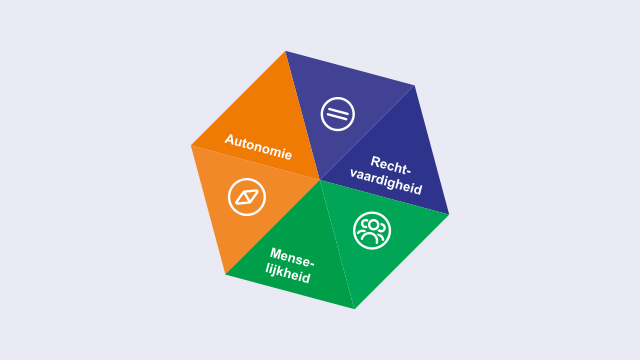
De WaardenWijzer biedt een gemeenschappelijke taal voor het voeren van een dialoog over digitalisering in het onderwijs. Door met elkaar te praten over de waarden die bij digitalisering voorop moeten staan, kan het onderwijs zelf betere keuzes maken bij nieuwe technologische ontwikkelingen.
Appchecker
Met de Kennisnet appchecker beantwoord je de vragen die nodig zijn om te beoordelen of je met de beoogde app of online tool aan de AVG voldoet.
Ethiekkompas
Als school heb je te maken met allerlei ethische vraagstukken rondom digitalisering. Maar hoe geef je daar antwoord op? Met deze tool maak je het concreet.

Heb je een vraag?
Neem contact met ons op via support@kennisnet.nl of bel 0800 321 22 33.
Volg ons
Blijf op de hoogte van de nieuwste ontwikkelingen rond ict en onderwijs.